
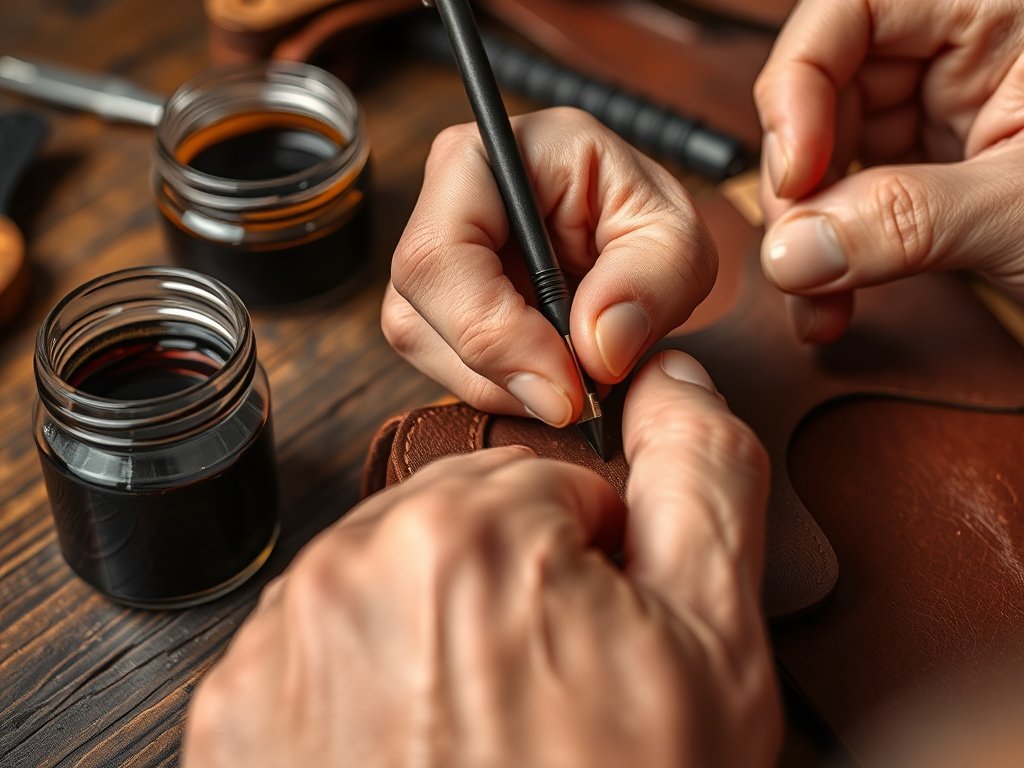
Zuschneidfelle are specialized cutting skins used in woodworking, upholstery, and industrial leather applications. They allow precise trimming and shaping of materials while reducing waste. Choosing the right quality, thickness, and texture ensures cleaner cuts and longer-lasting results. Proper handling, maintenance, and storage of zuschneidfelle are crucial for efficiency and durability, making them essential tools for craftsmen and professionals.
Zuschneidfelle are indispensable in industries that require precision cutting, including leather crafting, upholstery, and manufacturing. These cutting skins provide a reliable surface for shaping, trimming, and processing materials without damaging them. Understanding their types, thickness, and material properties helps users achieve higher accuracy and reduce waste. This article explores the selection, usage, maintenance, and storage of zuschneidfelle, along with safety tips, common mistakes, and practical applications. It also discusses cost considerations and quality checks to ensure long-term efficiency. Designed for both beginners and professionals, this comprehensive guide ensures users maximize the benefits of zuschneidfelle while maintaining productivity and protecting valuable materials.
What Are Zuschneidfelle and Their Primary Uses
Zuschneidfelle are high-quality cutting skins primarily used in woodworking, leather crafting, and textile industries. They provide a durable, smooth surface for trimming materials without dulling tools. Professionals often rely on these skins for precision work, as they reduce the risk of material damage. Beyond cutting, zuschneidfelle also protect work surfaces, prevent slipping, and help maintain consistent material thickness. Choosing the right size and thickness is essential, as it directly affects cutting accuracy. For craftspeople, they are not just tools but a key part of quality control and efficiency. Proper handling enhances longevity and ensures consistently clean results.
Different Types of Zuschneidfelle
Zuschneidfelle come in various types depending on material, thickness, and intended application. Common types include leather-based skins, synthetic options, and reinforced industrial variants. Leather zuschneidfelle offer natural flexibility and durability, making them ideal for intricate cuts. Synthetic versions provide uniform thickness and are often more affordable for bulk use. Reinforced or laminated variants are preferred in industrial settings for heavy-duty cutting tasks. Selecting the appropriate type involves considering material compatibility, work environment, and cutting tool sharpness. Each type ensures that precision, safety, and material efficiency are maintained, contributing to professional-grade results in any project.
Selecting the Right Thickness for Precision
Thickness plays a crucial role in the effectiveness of zuschneidfelle. Thicker skins provide more durability and stability for heavy-duty cuts but can be less flexible for intricate designs. Thinner skins allow detailed trimming and finer precision but may wear out faster under repeated use. Professionals often maintain a collection of varying thicknesses to suit different tasks. Matching thickness with material type ensures smooth cutting, reduces the risk of errors, and prolongs tool life. Regular assessment of wear and tear is also recommended, as damaged skins can compromise both cutting accuracy and safety.
Preparing Zuschneidfelle for Use
Proper preparation before using zuschneidfelle improves accuracy and longevity. New skins should be conditioned by lightly cleaning and flattening them to prevent curling or uneven cuts. Industrial users may lightly sand the surface for uniform texture. It’s essential to secure the skin on a stable surface and ensure the cutting tools are sharp. Pre-marking material layouts directly onto the skin can guide precise cuts. Adequate preparation minimizes errors, reduces waste, and enhances safety. By establishing a consistent routine for preparation, users achieve professional results while maintaining the integrity of both the skin and the materials being processed.
Techniques for Efficient Cutting
Efficient cutting with zuschneidfelle involves proper tool selection, grip, and movement. Slow, controlled strokes reduce the risk of uneven edges or tearing. For larger materials, dividing work into manageable sections prevents stretching or misalignment. Using straight edges or templates ensures consistent shapes. Experienced users recommend applying minimal pressure to prevent imprint marks. Regularly rotating the skin ensures even wear and extends its lifespan. Mastering these techniques improves both speed and precision while reducing material waste. Practice and repetition are key, as even small adjustments in angle or pressure can significantly affect the quality of the cut.
Common Mistakes to Avoid
Many beginners make errors when working with zuschneidfelle that compromise results. Overloading the skin with pressure can cause tears or permanent deformation. Using dull blades reduces precision and increases material waste. Neglecting proper surface preparation or skipping alignment steps leads to uneven cuts. Improper storage can result in warping or cracks. Professionals emphasize following routine maintenance and handling practices to avoid these mistakes. Awareness of these pitfalls ensures that cuts remain clean, efficient, and consistent. Learning from errors is essential for long-term skill development and for maximizing the investment in quality zuschneidfelle.
Maintenance and Cleaning Tips
Maintaining zuschneidfelle extends their usability and preserves cutting accuracy. After use, skins should be cleaned with a soft brush or cloth to remove debris. Leather-based variants benefit from occasional conditioning to prevent drying and cracking. Avoid excessive moisture, as it can deform the material. Regular inspections for wear or damage allow timely replacements. Storing skins flat, away from heat and direct sunlight, prevents warping. A well-maintained zuschneidfelle improves efficiency, minimizes errors, and ensures consistent results. Proactive care is a small effort that greatly enhances long-term performance, especially for professionals who rely on precision in daily tasks.
Also read this: Jack Şoparov Visionary Entrepreneur Transforming Innovation, Strategy, and Global Leadership
Proper Storage Practices
Correct storage prevents deformation, warping, and premature wear. Zuscheidfelle should be stored flat in a dry, temperature-controlled environment. Avoid stacking heavy items on top, as this can create indentations. For rolled storage, ensure rolls are loose and supported to prevent curling. Industrial users may implement dedicated shelving or containers to maintain organization. Maintaining a clean, dry environment also reduces the risk of mold or contamination. Consistent storage routines help prolong skin life, maintain cutting precision, and reduce replacement costs, making them a smart investment for both hobbyists and professionals.
Safety Considerations While Using Zuschneidfelle
Using zuschneidfelle involves sharp tools, making safety paramount. Always wear protective gloves and ensure proper posture to reduce strain. Keep the workspace clear to prevent slips or accidental cuts. Secure the skin firmly on a stable surface to avoid sudden shifts. Maintain sharp, well-functioning tools to reduce force application and improve control. Educating team members on safe handling techniques is vital in industrial settings. Safety not only protects the user but also ensures cleaner cuts and prevents damage to both tools and materials, preserving the quality of work and reducing workplace incidents.
Cost and Value Considerations
The price of zuschneidfelle varies based on material, size, thickness, and brand. Leather options tend to be more expensive but provide durability and superior performance. Synthetic versions are cost-effective and suitable for lighter applications. Investing in higher-quality skins can reduce long-term costs by minimizing replacements and improving cutting efficiency. Evaluating cost alongside expected usage and maintenance ensures maximum value. Professionals often consider longevity, performance, and material protection when calculating return on investment. Prioritizing quality over initial cost often saves time, reduces waste, and produces more professional results over repeated use.
Applications Across Industries
Zuschneidfelle are versatile tools with applications beyond traditional leather or woodworking crafts. They are used in automotive upholstery, shoe manufacturing, textile design, and furniture production. In industrial environments, they support repetitive cutting tasks and complex material shaping. Even hobbyists benefit from their precision and durability. The versatility of these skins makes them indispensable across sectors, providing consistent results and efficiency. Understanding industry-specific requirements ensures that the correct type and thickness of zuschneidfelle are selected, enhancing productivity and material quality in every application.
Innovations and Modern Variants
Modern manufacturing has introduced advanced zuschneidfelle with synthetic blends, reinforced layers, and anti-slip textures. Some feature heat-resistant or anti-static properties for specialized tasks. These innovations improve durability, reduce maintenance, and enhance precision. Technological advancements also include customizable sizes and pre-marked templates for repetitive cuts. Keeping up with new developments allows professionals to optimize workflows and achieve higher efficiency. Investing in modern variants can reduce fatigue, improve safety, and deliver consistently accurate results, reflecting the evolving needs of craftspeople and industrial users in competitive markets.
How to Choose the Best Zuschneidfelle for Your Needs
Selecting the right zuschneidfelle requires considering material type, thickness, durability, and intended use. Beginners should focus on manageable sizes and synthetic options, while professionals may prefer premium leather for intricate work. Assessing compatibility with existing tools and workspace setup is essential. Consulting product specifications and reviews can guide informed decisions. Balancing cost, quality, and longevity ensures optimal performance. A well-chosen zuschneidfelle not only improves efficiency but also protects valuable materials, enhancing overall project outcomes. Strategic selection ensures that users maximize both productivity and precision without compromising safety or quality.
Conclusion
Zuschneidfelle are essential tools for precision cutting across numerous industries. Selecting the right type, thickness, and maintenance routine enhances efficiency, accuracy, and material protection. Proper handling, preparation, and storage prolong lifespan and reduce costs. By mastering cutting techniques and adhering to safety protocols, both hobbyists and professionals can achieve consistent, high-quality results. Investing in quality zuschneidfelle ensures durability, minimizes waste, and improves productivity, making them an indispensable asset for any serious craftsperson or industrial operation.
FAQs
Q1: How many times should I use a zuschneidfelle before replacing it?
A1: Usage depends on material and thickness. Inspect regularly and replace when worn or damaged.
Q2: Can zuschneidfelle be used for textiles?
A2: Yes, they are versatile and suitable for leather, textiles, and light industrial materials.
Q3: How do I clean leather zuschneidfelle?
A3: Wipe with a soft cloth, brush debris, and condition occasionally to prevent cracking.
Q4: Are synthetic zuschneidfelle less durable than leather?
A4: They are usually more uniform but may wear faster under heavy-duty cutting.
Q5: Can I roll zuschneidfelle for storage?
A5: Yes, but roll loosely to avoid curling and deformation.
Q6: Do I need special tools for zuschneidfelle?
A6: Standard sharp cutting tools work, but ensure blades are maintained for precision.
Q7: Where can I buy high-quality zuschneidfelle?
A7: Professional craft stores, industrial suppliers, and reputable online retailers offer quality options.
For more info: swiftmagazines.co.uk
