
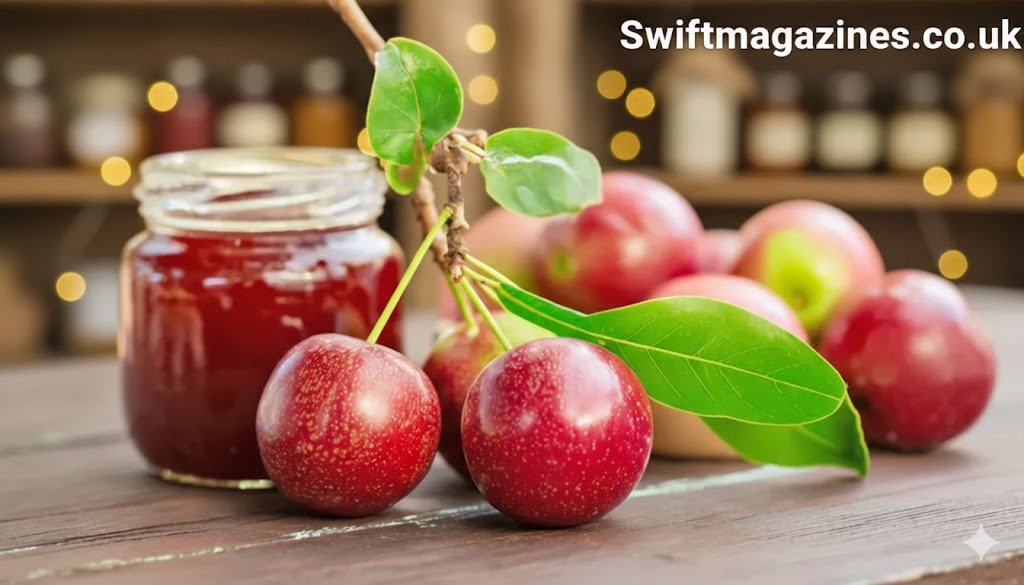
žižole are small, sweet fruits commonly known as jujube, valued for their rich nutritional profile and traditional wellness benefits. They contain vitamin C, antioxidants, fiber, and natural sugars that support immunity, digestion, and energy. Often eaten fresh or dried, they are widely used in herbal traditions, healthy snacks, and natural remedies, making them both nourishing and culturally significant.
This article explores the fascinating world of žižole, from their botanical origin and nutritional richness to their cultural importance and modern health relevance. Readers will discover how these fruits support immunity, digestion, and overall wellness while also learning practical ways to include them in daily diets. The guide explains traditional uses, scientific insights, storage tips, and culinary versatility in simple language. By the end, you will clearly understand why this ancient fruit continues to gain popularity in contemporary healthy living and natural nutrition discussions across different regions of the world.
Ancient Origins and Cultural Journey of This Remarkable Fruit
The story of this fruit stretches back thousands of years across warm regions where traditional healing and natural food culture developed together. Historical communities valued it not only as nourishment but also as a symbol of vitality, calmness, and longevity in seasonal diets. Over time, migration and trade allowed the fruit to travel into Mediterranean and European landscapes, where it adapted well to local climates. Farmers appreciated its resilience, while households embraced its gentle sweetness. This deep cultural journey explains why the fruit still holds emotional and nutritional importance today.
Botanical Characteristics and Natural Growth Environment Explained Clearly
The tree that produces this fruit thrives in sunny, dry environments and is known for its hardy structure and seasonal productivity. Its leaves are glossy, its branches protective, and its fruit gradually changes color as it ripens. Early stages appear green and crisp, while maturity brings reddish tones and softer sweetness. Because the plant tolerates heat and limited water, it is often cultivated in regions where other fruits struggle. This resilience contributes to its long history as a dependable food source that connects agriculture with sustainability and traditional farming wisdom.
Nutritional Composition That Makes the Fruit Naturally Valuable for Health
The nutritional strength of this fruit lies in its balanced mix of vitamins, minerals, and plant-based compounds that support everyday wellness. Vitamin C contributes to immune defense and skin health, while fiber helps maintain comfortable digestion and metabolic balance. Natural carbohydrates provide gentle energy without excessive heaviness, making the fruit suitable for different age groups. Antioxidant components further support cellular protection against environmental stress. Together, these elements create a wholesome profile that explains why nutrition experts increasingly recognize its value within modern balanced dietary patterns.
Traditional Wellness Practices and Historical Healing Associations
Across generations, families used this fruit in calming teas, soothing tonics, and restorative seasonal preparations. Traditional healers believed it supported relaxation, digestive comfort, and recovery during periods of fatigue or seasonal illness. Although ancient knowledge developed without modern laboratories, many practices reflected careful observation of how the body responded to natural foods. Cultural rituals surrounding harvest and sharing also strengthened community bonds. These historical wellness associations continue to influence how people perceive the fruit today, blending heritage wisdom with contemporary curiosity about natural health approaches.
Modern Scientific Interest and Emerging Nutritional Research Perspectives
Recent nutritional research has begun examining the bioactive compounds present in this fruit and how they interact with human physiology. Scientists are particularly interested in antioxidant behavior, digestive support potential, and gentle effects on sleep quality and stress balance. While research continues to evolve, early findings align with long-standing traditional observations. This intersection of heritage knowledge and modern science creates a meaningful bridge between past and present. It also encourages thoughtful consumption rooted in evidence rather than exaggerated health claims, supporting responsible wellness education.
Culinary Diversity From Fresh Snacks to Comforting Traditional Recipes
In kitchens around the world, this fruit appears in many comforting and creative preparations shaped by regional taste and seasonal availability. Some enjoy it fresh for its crisp texture and mild sweetness, while others prefer dried versions that concentrate flavor and extend shelf life. It may be simmered into warm beverages, blended into desserts, or paired with grains and nuts for balanced nourishment. Culinary diversity ensures the fruit remains relevant across generations, allowing traditional recipes to coexist with innovative modern cooking styles that celebrate natural ingredients.
Also read this: Nahttypen Explained: How Seam Types Transform Design, Strength, and Function
Role in Digestive Comfort and Gentle Daily Energy Support
Digestive well-being often begins with foods that provide fiber, hydration, and easily absorbed nutrients, all of which this fruit naturally offers. Its mild sweetness makes it suitable for sensitive stomachs, while fiber supports smooth intestinal movement and microbial balance. Because the energy release is gradual rather than sudden, it can help maintain steady vitality throughout the day. Many people appreciate this gentle support during busy routines or seasonal fatigue. Such characteristics reinforce its reputation as a calming, nourishing addition to everyday eating habits.
Immune System Support Through Vitamins and Protective Plant Compounds
A strong immune response depends on consistent intake of vitamins, antioxidants, and supportive plant nutrients that protect cellular function. This fruit contributes meaningful vitamin C alongside naturally occurring phytochemicals that help the body respond to environmental stress. Regular inclusion within a varied diet may assist overall resilience during seasonal transitions. While no single food guarantees immunity, nutrient-dense fruits play an important supportive role. Understanding this balanced perspective helps individuals appreciate the fruit’s value without unrealistic expectations or exaggerated health promises.
Skin Vitality, Hydration, and Natural Beauty Connections
Healthy skin reflects internal nourishment as much as external care, making nutrient-rich fruits valuable within beauty-supportive diets. Vitamins and antioxidants present in this fruit contribute to collagen maintenance and protection from oxidative stress linked with premature aging. Hydrating properties further support a fresh and comfortable skin appearance. Traditional beauty practices sometimes included fruit-based preparations for soothing effects. Today, nutrition-focused skincare philosophy continues this idea by emphasizing wholesome foods that nurture the body from within rather than relying solely on surface treatments.
Seasonal Harvesting, Storage Methods, and Quality Preservation Techniques
Harvest timing significantly influences flavor, texture, and nutritional value, making careful observation essential for growers and consumers alike. Fully ripened fruit offers deeper sweetness, while earlier stages provide crisp freshness suited to different culinary uses. Proper drying, cooling, or gentle refrigeration helps preserve quality without major nutrient loss. Traditional households often relied on sun-drying methods that extended availability beyond harvest season. These preservation techniques demonstrate how simple knowledge allowed communities to enjoy nourishing foods year-round long before modern storage technology existed.
Agricultural Sustainability and Environmental Adaptability of the Tree
Sustainable agriculture benefits from crops that require limited water, tolerate temperature variation, and resist common environmental stress. The tree producing this fruit demonstrates many of these qualities, making it suitable for regions facing climate uncertainty. Its durability reduces dependence on intensive chemical inputs while still providing reliable harvests. Such characteristics align with growing interest in environmentally responsible farming and resilient food systems. By supporting cultivation of adaptable crops, communities can protect both ecological balance and long-term nutritional security for future generations.
Economic Importance in Local Markets and Small-Scale Farming Communities
Beyond nutrition, this fruit contributes meaningful economic value within rural and small-scale agricultural settings. Local markets often rely on seasonal harvest sales, dried fruit trade, and traditional food production connected to cultural heritage. Because cultivation costs remain relatively manageable, small farmers can benefit from steady demand. This economic role strengthens community resilience and preserves agricultural knowledge passed through generations. Supporting such crops therefore connects consumer choices with broader social and cultural sustainability, extending the fruit’s importance far beyond the dining table.
Growing Popularity in Modern Wellness Culture and Natural Nutrition Trends
Contemporary wellness culture increasingly favors whole foods with historical credibility and minimal processing. As awareness spreads, many people are rediscovering traditional fruits that once formed the foundation of regional diets. žižole now appear in health discussions, specialty markets, and natural lifestyle conversations that emphasize gentle nourishment over artificial supplementation. This renewed popularity reflects a broader movement toward mindful eating and respect for cultural food heritage. The fruit’s simplicity, versatility, and nutritional balance position it well within evolving global wellness perspectives.
Practical Ways to Include This Nourishing Fruit in Everyday Eating Habits
In daily life, incorporating wholesome fruits becomes easier when flavor, convenience, and nutrition align naturally. Fresh portions can complement breakfast or afternoon meals, while dried forms travel well for busy schedules. Warm infusions offer comfort during cooler seasons, and creative recipes allow experimentation without complicated preparation. Such flexibility encourages consistent enjoyment rather than occasional use. When foods integrate smoothly into routines, their long-term health contribution becomes more meaningful and sustainable for individuals seeking balanced, realistic dietary improvements.
Conclusion: Lasting Value of a Traditional Fruit in Modern Healthy Living
The enduring relevance of this fruit comes from its rare combination of cultural history, nutritional richness, environmental resilience, and culinary versatility. Generations recognized its gentle supportive qualities long before scientific analysis began confirming many of those observations. Today, renewed interest highlights how traditional foods can complement modern wellness goals without complexity or excess processing. By appreciating its balanced benefits and thoughtful use in everyday meals, individuals can reconnect with simple nourishment that supports both personal health and cultural continuity across changing times.
FAQs (People Also Ask)
What are žižole commonly known as in English?
They are commonly called jujube fruit and are widely used in traditional and modern diets.
Are they eaten fresh or dried?
Both forms are popular, with fresh fruit offering crisp texture and dried fruit providing concentrated sweetness.
Do they support digestion?
Their natural fiber content helps maintain comfortable digestive function when included in balanced meals.
Are they high in vitamin C?
Yes, they contain meaningful vitamin C that contributes to immune and skin health support.
Can they be used in herbal drinks?
Many cultures prepare soothing teas or warm infusions using the fruit, especially during colder seasons.
Are they suitable for daily consumption?
Moderate daily intake within a varied diet is generally considered safe and nourishing.
Why are they becoming popular again?
Growing interest in traditional, natural, and minimally processed foods has renewed global attention toward this fruit.
Fore more info: Swiftmagazines.co.uk
