
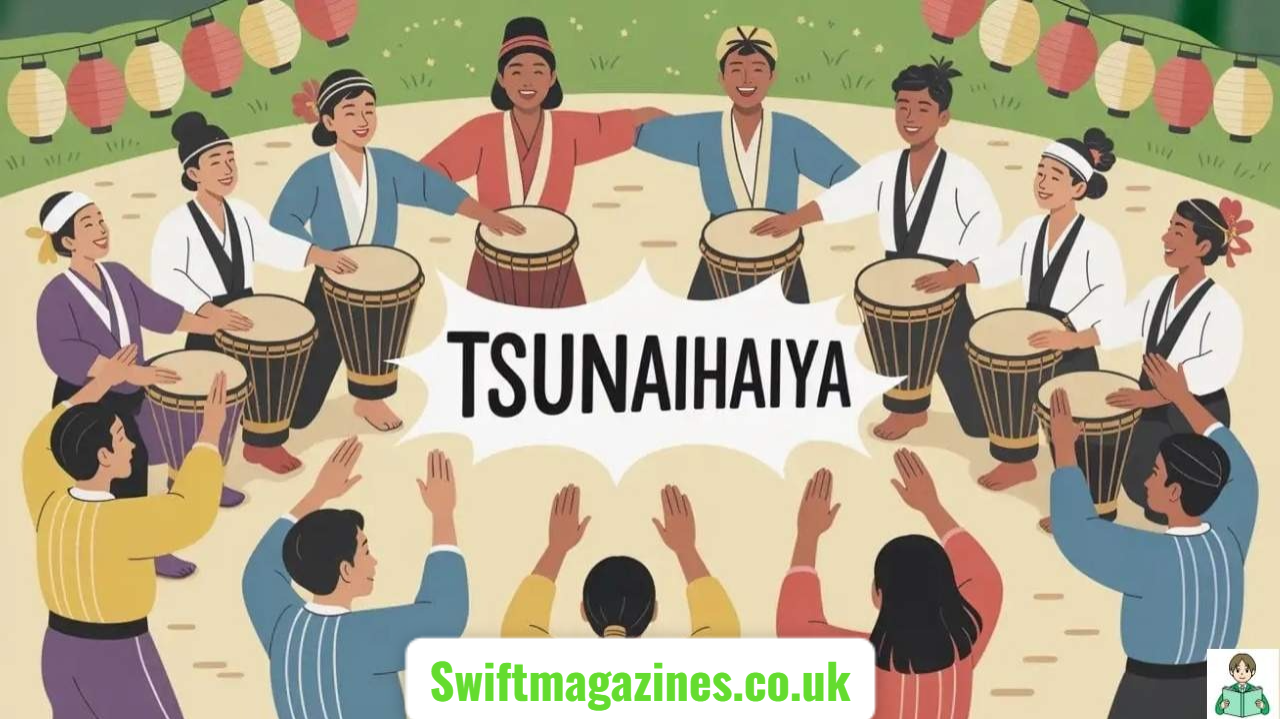
Tsunaihaiya is a unique term reflecting creativity, cultural identity, and emotional symbolism. Though it has no fixed definition, it is widely used in digital media, art, and storytelling to convey nuanced feelings, artistic expression, and cultural ideas. Its appeal lies in the rhythm, sound, and adaptability, allowing people to communicate subtle emotions and shared cultural connections beyond traditional words.
Tsunaihaiya is a fascinating modern term that merges cultural curiosity with creative expression. Its origins are unclear, but it carries strong emotional and artistic significance, appearing in art, digital media, and storytelling. This article explores Tsunaihaiya’s origins, meaning, emotional symbolism, and cultural relevance, showing how a seemingly invented term can inspire creativity, identity, and connection. Understanding Tsunaihaiya reveals the power of language to shape emotion and cultural dialogue.
Understanding Tsunaihaiya: Origins And Linguistic Curiosity
Tsunaihaiya is a term that does not appear in traditional dictionaries or historical records, yet it has captured attention across cultural and digital communities. Its origins are somewhat mysterious, possibly stemming from creative linguistic invention rather than any formal language. The word’s rhythm and phonetic structure make it memorable and emotionally resonant. While not anchored in history, Tsunaihaiya’s adoption shows how language evolves organically through creative use and community engagement.
The Meaning Behind Tsunaihaiya And Why It Resonates
The meaning of Tsunaihaiya is fluid, shaped by how people use it. It often signifies emotional depth, connection, or creative identity, acting as a placeholder for feelings words cannot easily capture. Its versatility allows it to convey subtle moods, artistic expression, and personal significance. This adaptability is central to its appeal, making it more than a word—it becomes a cultural and emotional tool for communication.
The Phonetic Appeal Of Tsunaihaiya And Emotional Connection
Part of Tsunaihaiya’s charm lies in its sound. The rhythmic, flowing syllables create a chant-like musicality that feels natural and emotive. This sonic quality allows listeners to associate the term with emotions and experiences beyond literal meaning. The phonetic design contributes to its role as a creative expression, capable of resonating deeply with individuals across cultures and digital communities.
Tsunaihaiya As A Symbol Of Emotional Expression
Tsunaihaiya is often interpreted as a symbolic representation of emotional states. It may evoke peace, introspection, or creative energy depending on context. People adopt it to express complex feelings that ordinary language cannot fully capture. Its symbolic nature allows individuals to connect emotionally with others who recognize or resonate with the term, fostering shared understanding and artistic dialogue.
Cultural Relevance Of Tsunaihaiya In Digital Communities
In online communities, Tsunaihaiya has become a marker of identity and shared culture. It appears in social media posts, usernames, and creative hashtags, where it conveys aesthetic, mood, or emotional tone. Its adoption demonstrates the modern evolution of language, where words emerge organically from community use rather than formal origins, reflecting contemporary cultural dynamics.
Tsunaihaiya In Creative Arts And Storytelling
Artists and writers use Tsunaihaiya as a conceptual tool to inspire creativity. Its open-ended meaning allows it to fit into music, visual art, and storytelling, especially in projects prioritizing atmosphere and mood. By incorporating Tsunaihaiya, creators add depth and abstract significance to their work, transforming the word into a catalyst for imagination and expression.
Exploring Possible Origins And Influences
While its exact roots are uncertain, some suggest Tsunaihaiya may blend phonetic elements from various languages or ceremonial chants. Others believe it is entirely invented for its aesthetic and emotional qualities. Regardless, the term’s mysterious origin adds to its allure, inviting curiosity and interpretation while fostering a sense of cultural and linguistic creativity.
Also read this: Jadeitový Kameň: Complete Guide to Healing, Beauty, and Meaning
Tsunaihaiya And Its Role In Modern Identity Formation
Tsunaihaiya functions as more than a word—it can be a personal or collective identity marker. People use it to convey individuality, artistic sensibility, or emotional resonance. Its flexible meaning allows users to adapt it to their unique experiences, creating a sense of belonging among those who understand or relate to its subtle cultural and emotional implications.
How Tsunaihaiya Bridges Tradition With Contemporary Creativity
Despite being modern, Tsunaihaiya evokes the human tradition of rhythm, chant, and symbolic language. Its use connects contemporary creative practices with historical patterns of expression, demonstrating the continuity of artistic innovation. In this way, Tsunaihaiya bridges ancient cultural instincts with modern identity and storytelling.
The Symbolic Weight Of Tsunaihaiya In Art And Media
Tsunaihaiya’s symbolic nature allows it to represent abstract concepts such as emotional depth, connection, or inspiration. Artists, musicians, and writers incorporate it to signify creative energy or emotional states. Its presence in the media emphasizes how language, even when invented, can carry weight, shape perception, and contribute to cultural dialogue.
The Evolution Of Tsunaihaiya Across Communities
As different communities adopt Tsunaihaiya, its meaning evolves. Some associate it with emotional expression, others with creativity, while digital subcultures may use it for aesthetic appeal. This evolution highlights the dynamic nature of language and demonstrates how collective use influences interpretation, making Tsunaihaiya a living example of cultural adaptation.
Common Misconceptions About Tsunaihaiya
Many assume Tsunaihaiya originates from a specific language or spiritual practice due to its exotic sound. In reality, it is not tied to documented traditions. Misunderstandings arise from its symbolic use in art and online culture. Clarifying this helps audiences appreciate its creative and cultural significance without attributing false historical roots.
Tsunaihaiya As A Source Of Inspiration
Tsunaihaiya inspires artists, writers, and creators by providing a linguistic canvas for emotion and imagination. Its abstract quality allows individuals to project personal meaning, fostering creativity and innovation. By encouraging interpretation, it supports artistic freedom and emotional exploration, making it a valuable cultural and creative tool.
The Future Of Tsunaihaiya In Language And Culture
Tsunaihaiya’s future depends on community adoption and creative exploration. Its flexible meaning may lead to broader recognition in digital culture, art, and storytelling. As more creators integrate it into expressive practices, the term may evolve into a widely recognized cultural and artistic symbol, demonstrating the power of invented language in modern society.
Conclusion: The Enduring Significance Of Tsunaihaiya
In conclusion, Tsunaihaiya is a modern cultural phenomenon with layered interpretations. Its power lies in its open-ended meaning, rhythmic appeal, and emotional resonance. Through art, digital media, and personal expression, it has become a symbol of creativity, identity, and cultural dialogue. Tsunaihaiya shows how language can evolve dynamically, connecting communities, fostering artistic innovation, and shaping cultural meaning in contemporary society.
FAQs
What does Tsunaihaiya mean?
Tsunaihaiya is an invented term symbolizing emotional depth, creativity, and cultural identity, with meaning defined by its use.
Where did Tsunaihaiya originate?
Its exact origins are unclear, but it appears to have emerged through creative and digital communities rather than traditional language.
Is Tsunaihaiya a real word?
No, it is not a standardized word, but it functions as a meaningful cultural and creative expression.
Why is Tsunaihaiya popular in digital media?
Its rhythm, abstract meaning, and emotional resonance make it appealing for creative identity and aesthetic use online.
How is Tsunaihaiya used in art?
Artists incorporate it in storytelling, music, and visual media to evoke mood, emotion, or symbolic significance.
Can Tsunaihaiya have different meanings?
Yes, its meaning is fluid, shaped by context, individual interpretation, and community use.
Why does Tsunaihaiya resonate with people?
Its sound, rhythm, and abstract symbolism allow people to express emotions and creativity beyond ordinary language.
Fore more info: Swiftmagazines.co.uk
