
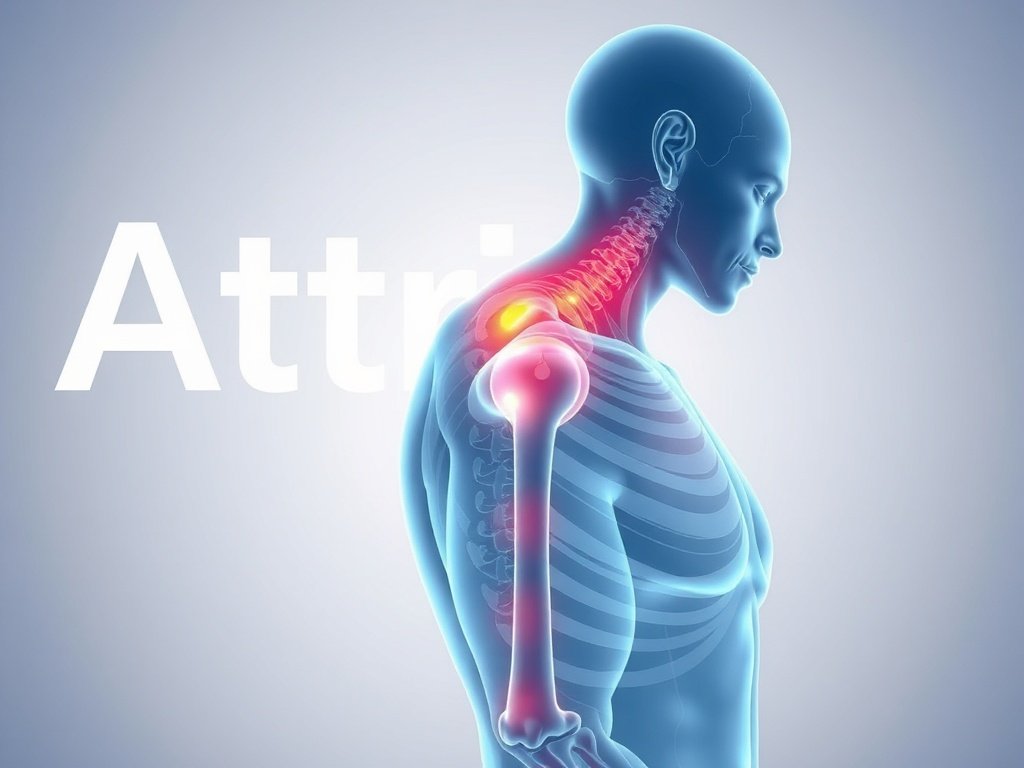
Attrities are substances, materials, or components that wear down, degrade, or reduce in quality over time due to friction, usage, or environmental conditions. They affect efficiency, durability, and performance in industrial, scientific, and technological applications. Proper understanding and management of attrities help in reducing wear, extending product life, and improving operational outcomes in manufacturing, engineering, and research processes.
Attrities refer to materials or particles that undergo gradual wear or reduction in size, strength, or effectiveness due to mechanical, chemical, or environmental factors. These losses impact industries ranging from manufacturing to pharmaceuticals, influencing product efficiency and durability. Understanding attrities helps professionals minimize wastage, optimize processes, and improve outcomes. This article explores causes, types, effects, and management strategies of attrities in detail, offering practical insights to enhance performance and reduce material loss.
Understanding What Attrities Are and Their Industrial Significance
Attrities are a key concept in manufacturing andmaterial science, representing the gradual loss or degradation of materials due to external forces. They often result from friction, repetitive use, or chemical exposure, affecting the longevity and performance of components. Industries like metallurgy, engineering, and pharmaceuticals monitor attrities closely because even minor degradation can impact efficiency and quality. By analyzing attrities, engineers can design more durable products, reduce operational losses, and maintain higher productivity. Recognizing the importance of attrities is essential for any professional handling material-intensive operations or machinery.
The Primary Causes of Attrities in Different Environments
Attrities occur due to various factors depending on the environment and material type. Mechanical attrition arises from friction, grinding, or repetitive motion, gradually wearing down surfaces. Chemical attrition occurs when substances react with environmental elements, causing deterioration. Environmental factors, including temperature fluctuations, humidity, and pressure, also contribute to attrities. Understanding these causes allows industries to adopt preventive measures. For instance, selecting suitable lubricants, coatings, or materials resistant to wear can significantly reduce attrities. Awareness of environmental triggers is crucial to maintain the efficiency and safety of machines and industrial processes.
Types of Attrities Observed in Manufacturing Processes
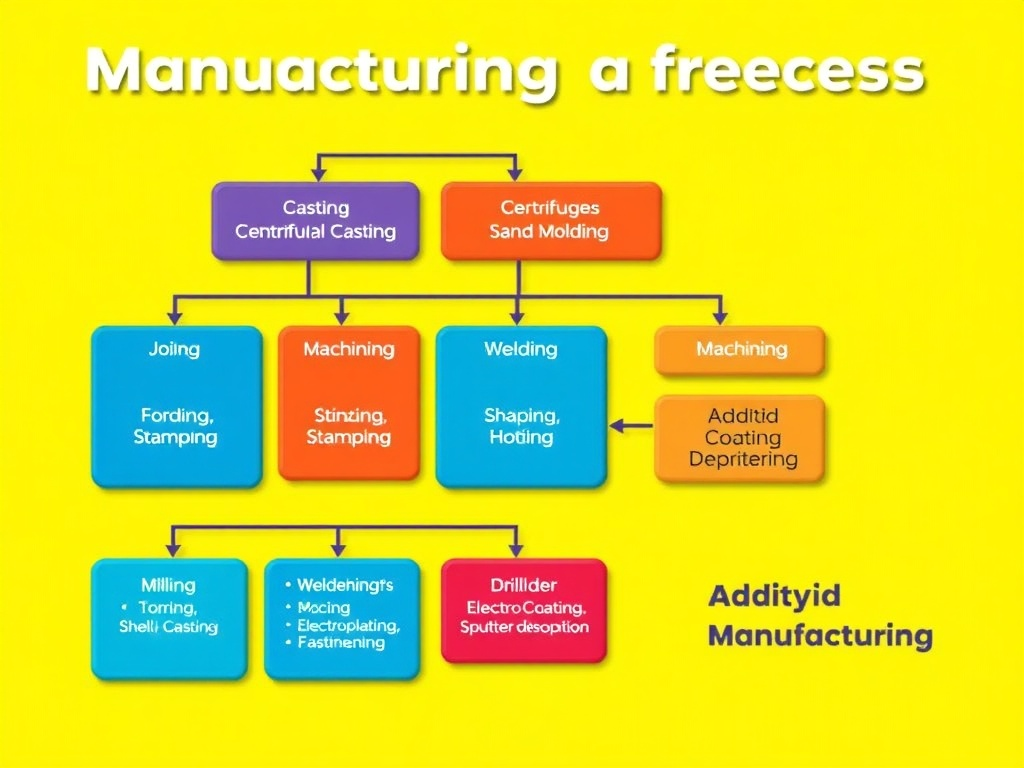
In manufacturing, attrities manifest in multiple forms. Surface attrition affects mechanical parts, leading to scratches, thinning, or surface roughness. Particle attrition occurs in powders or granules, reducing particle size and uniformity. Chemical attrition, meanwhile, impacts materials exposed to corrosive substances or reactive environments. Identifying the type of attrition helps in applying targeted solutions. Companies use specific treatments such as surface hardening, chemical stabilizers, or protective coatings to address the particular type of attrition. Recognizing attrity types is vital to ensure optimal product performance and minimize operational downtime in production lines.
The Role of Attrities in Material Wear and Tear
Attrities directly influence wear and tear in machinery and materials. Continuous exposure to mechanical or environmental stress causes gradual degradation, affecting efficiency and safety. In industrial machinery, unnoticed attrities can lead to component failure, production delays, and financial loss. Monitoring attrities enables predictive maintenance, allowing replacements or repairs before critical failure. Engineers often rely on attrition analysis to improve design, select robust materials, and extend equipment life. Recognizing attrities as a natural, manageable process rather than an uncontrollable problem is key for long-term operational reliability.
How Attrities Impact Product Lifespan and Durability
The presence of attrities affects how long a product or material remains functional. Items exposed to high friction, chemical reactions, or harsh environments experience reduced structural integrity. For manufacturers, this translates into higher maintenance costs and lower customer satisfaction. By assessing attrities during the design and testing phases, companies can enhance durability. Strategies include selecting wear-resistant materials, applying protective coatings, or optimizing operational processes to minimize friction and exposure. Understanding the relationship between attrities and lifespan is crucial for quality assurance, sustainability, and cost-effective manufacturing.
Monitoring and Measuring Attrities Effectively
To manage attrities, precise monitoring and measurement techniques are essential. Engineers use tools like abrasion testers, particle analyzers, and surface microscopy to detect wear and particle degradation. Quantitative measurements help identify attrition rates, enabling informed decisions on maintenance and material selection. Data from these measurements guides optimization strategies, ensuring longevity and performance. Consistent monitoring of attrities prevents unexpected failures and helps maintain high standards in production quality. Accurate measurement forms the foundation for proactive management and operational efficiency in industries prone to material degradation.
Industrial Applications Where Attrities Are Crucial
Attrities play a significant role across industries such as pharmaceuticals, mining, metallurgy, and mechanical engineering. In pharmaceuticals, particle attrition affects drug consistency and effectiveness. In mining and metallurgy, attrition influences ore processing and material handling. In machinery and automotive engineering, attrities determine the wear of components like gears, bearings, and engines. Recognizing these applications ensures appropriate preventive measures are applied, reducing operational disruptions. Industries that understand and control attrities maintain higher product quality, optimize processes, and reduce waste, resulting in improved efficiency and profitability.
Also read this: Trastel: Complete Guide, Benefits, and Everything You Need to Know
Practical Strategies to Reduce Attrities in Operations
Reducing attrities involves combining material selection, process optimization, and maintenance practices. Lubrication, protective coatings, and surface treatments minimize mechanical wear. Controlling environmental factors like temperature, moisture, and exposure to chemicals reduces chemical attrition. Scheduled maintenance and real-time monitoring prevent severe damage. Process modifications, such as reducing excessive friction or handling stresses, also limit attrities. Implementing these strategies ensures longer product life, lower operational costs, and consistent quality. Practical attrition management enhances efficiency and sustainability in industrial operations.
The Connection Between Attrities and Material Efficiency
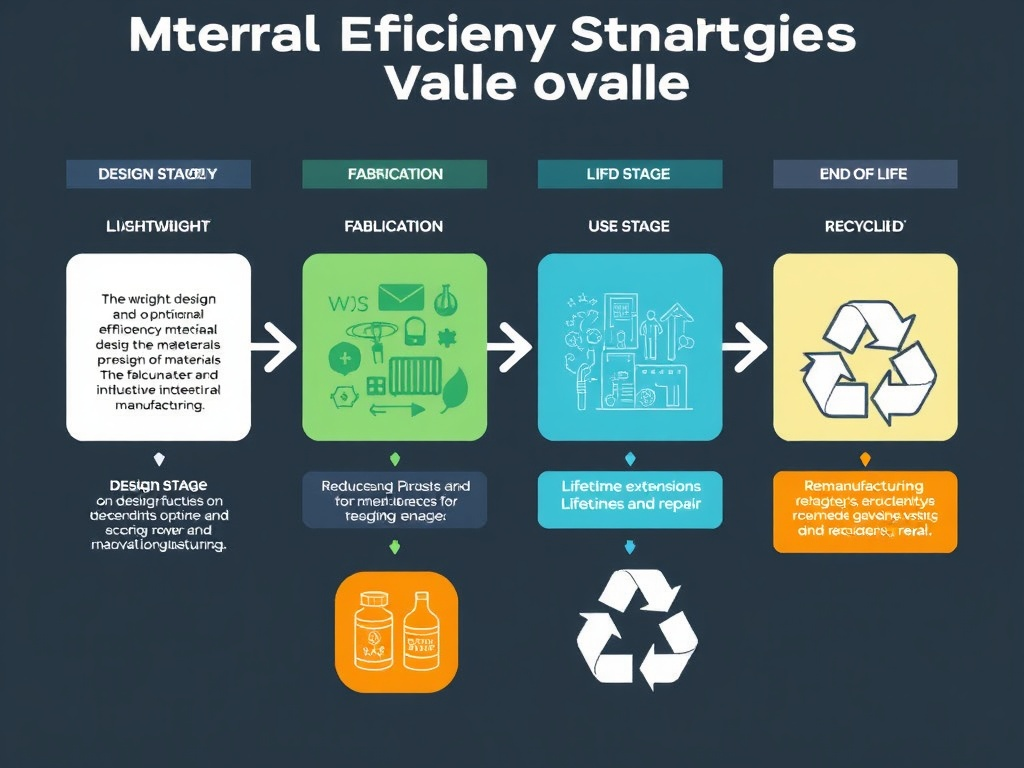
Attrities affect overall material efficiency by reducing usable quantity and increasing waste. In industries handling powders, granules, or solids, attrition can lead to inconsistent product quality and loss of raw materials. Monitoring and minimizing attrities help preserve material value, reduce production costs, and improve sustainability. Efficient use of materials ensures better performance and contributes to environmental responsibility. Companies that address attrities proactively achieve higher operational efficiency and product reliability. Understanding this connection emphasizes the importance of attrition control in modern production processes.
Technological Advances in Attrition Prevention
Recent technological advances offer innovative solutions to manage attrities. Surface coatings, nanomaterials, and wear-resistant alloys significantly reduce material degradation. Automated monitoring systems provide real-time insights, enabling predictive maintenance. Advanced modeling and simulation help forecast attrition patterns, guiding design improvements. These technologies allow industries to maintain performance standards while reducing waste and downtime. Embracing technological solutions enhances competitiveness and sustainability in sectors affected by material attrition. Modern attrition management focuses not only on prevention but also on optimizing productivity and product quality through technology.
Attrities in Research and Scientific Studies
Attrities are a vital factor in research fields like chemistry, material science, and pharmaceuticals. Understanding particle degradation, wear, and reaction rates contributes to experimental accuracy and product development. Scientists analyze attrition to improve formulations, enhance stability, and ensure reproducibility. Experimental studies often incorporate attrition measurement to simulate real-world conditions and predict long-term performance. This knowledge enables better material design, optimized processes, and high-quality outcomes. Integrating attrition analysis in research provides a scientific foundation for innovation and practical applications in various industries.
Environmental Implications of Attrities
Attrities not only impact industrial efficiency but also have environmental consequences. Material loss increases resource consumption, waste production, and energy usage. Uncontrolled attrition in chemical or mineral industries can lead to contamination or inefficient resource utilization. Sustainable attrition management practices reduce environmental impact by minimizing waste, conserving materials, and improving process efficiency. Industries adopting environmentally conscious attrition control enhance their corporate responsibility, reduce costs, and comply with regulatory standards. Considering the environmental perspective emphasizes the broader significance of attrities beyond operational efficiency.
Case Studies of Successful Attrition Management
Several companies have successfully reduced attrities through targeted interventions. In manufacturing, applying wear-resistant coatings and optimized lubrication extended machinery life significantly. In pharmaceuticals, controlling particle attrition improved drug consistency and efficacy. Mining companies reduced material losses by optimizing handling and processing equipment. These case studies highlight practical, real-world strategies for attrition management. Learning from successful examples allows businesses to implement proven methods, minimize degradation, and enhance performance across diverse operations. Effective attrition management leads to improved productivity, cost savings, and higher product quality.
Future Trends in Attrition Research and Management
The future of attrition management focuses on predictive analytics, smart materials, and sustainable practices. Machine learning models predict wear patterns, while innovative materials resist degradation effectively. Integration of IoT-enabled sensors allows continuous monitoring of industrial systems to minimize attrities. Research is increasingly oriented towards sustainable and eco-friendly solutions, ensuring reduced waste and optimized material use. Future trends promise greater operational efficiency, cost savings, and enhanced environmental stewardship. Industries embracing these trends will lead in quality, innovation, and sustainable performance management in attrition-prone processes.
Conclusion:
Attrities, if unmanaged, can significantly reduce material efficiency, product lifespan, and operational reliability. Understanding their causes, types, and effects is crucial for industries and researchers alike. By monitoring attrition, applying preventive strategies, and embracing technological innovations, businesses can optimize processes, extend product life, and reduce material loss. Proactive attrition management enhances productivity, sustainability, and overall quality, ensuring long-term success in material-intensive operations. Mastery over attrities is a strategic advantage in both industrial and research applications.
FAQs (People Also Ask)
1. What are attrities in materials?
Attrities are materials or particles that gradually wear down, degrade, or lose effectiveness due to friction, usage, or environmental factors.
2. How do attrities occur in industrial processes?
Attrities occur through mechanical wear, chemical reactions, environmental exposure, or repeated handling that gradually reduces material integrity.
3. Why is monitoring attrities important?
Monitoring attrities prevents unexpected failures, reduces waste, extends equipment life, and ensures consistent product quality.
4. Can attrities affect product lifespan?
Yes, attrities directly influence durability and performance, shortening the operational lifespan if not managed properly.
5. What strategies reduce attrities effectively?
Using wear-resistant materials, protective coatings, lubrication, environmental control, and regular maintenance are effective strategies.
6. Are attrities relevant in research and pharmaceuticals?
Absolutely, attrities affect particle size, drug consistency, stability, and experimental accuracy in scientific research.
7. Do attrities have environmental impacts?
Yes, uncontrolled attrities increase material waste, energy consumption, and resource inefficiency, affecting sustainability.
Fore more info: Swiftmagazines.co.uk
