
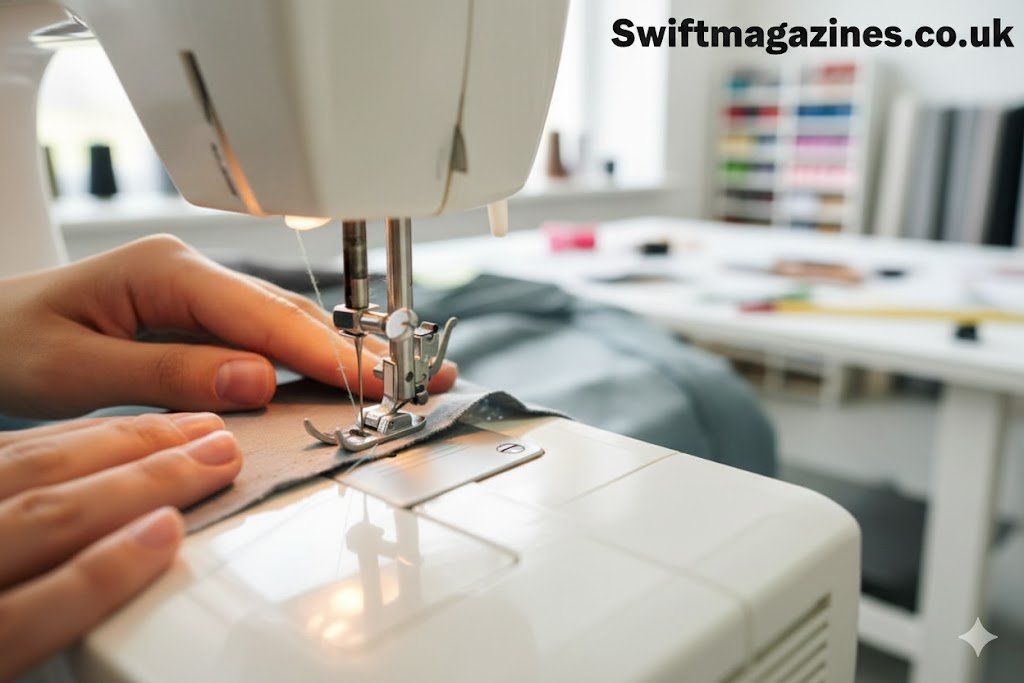
Seam construction determines how fabric pieces connect, stretch, and endure wear. The right seam improves durability, enhances comfort, and supports garment shape. Different stitching methods distribute tension, prevent fraying, and influence visual style. Understanding seam behavior helps designers, tailors, and hobbyists create clothing and textiles that last longer, fit better, and perform reliably in everyday use.
Seam engineering is a hidden yet powerful factor in textile design. From lightweight garments to heavy-duty fabrics, the method used to join materials directly affects strength, flexibility, and appearance. Learning how seams function allows creators to match stitching techniques with fabric properties and intended use. Some seams focus on durability, while others prioritize smooth finishing or stretch movement. Smart seam selection reduces damage, improves comfort, and enhances long-term performance. This article explores structural behavior, aesthetic influence, and professional decision-making behind seam construction, offering practical insights for beginners and experienced makers who want stronger, cleaner, and more functional results in modern sewing and apparel production.
Foundation of Seam Construction in Textiles
Every stitched product begins with the simple act of joining fabric edges. This connection determines how material behaves under movement, washing, and long-term wear. Strong structural planning ensures garments maintain their shape without tearing or distortion. Beginners often overlook seam structure, yet professionals treat it as the backbone of durability. Proper alignment, consistent allowance, and balanced tension create stability that supports both comfort and longevity in finished textile products.
Evolution of Stitching Methods in Modern Sewing
Traditional hand-sewn joins once dominated clothing production, but industrial technology introduced faster and more precise techniques. Today’s stitching combines efficiency with engineering awareness, allowing seams to support stretch fabrics, heavy materials, and decorative finishes. This evolution reflects changing lifestyle needs, where clothing must handle motion, climate variation, and repeated washing while still maintaining visual appeal and structural strength.
Structural Role of Nahttypen in Garment Engineering
Understanding Nahttypen helps makers predict how stitched areas respond to stress, bending, and tension. Each structural variation distributes force differently across fabric layers. Some provide flexibility for motion, while others reinforce high-pressure zones. This knowledge transforms sewing from a basic craft into a technical design process where durability and comfort are intentionally engineered rather than left to chance.
Impact on Strength and Long-Term Durability
Garments experience continuous pulling, stretching, and friction. Weak seam planning often leads to tearing or frayed edges after limited use. Reinforced stitching and enclosed edges significantly extend lifespan. Durable seam design is especially critical in workwear, sports clothing, and children’s apparel where movement is constant. Strong construction reduces repair frequency and improves overall product value.
Connection Between Seam Placement and Comfort
Comfort depends not only on fabric softness but also on seam positioning. Poor placement can create pressure points or restrict motion. Flexible seam structures allow natural body movement, especially in active or fitted clothing. Smooth interior finishing also prevents irritation against the skin, making thoughtful seam planning essential for wearable comfort.
Visual Influence on Fashion and Design Lines
Seams are no longer purely functional; they contribute to style and silhouette. Designers use visible stitching to shape contours, create contrast, or highlight craftsmanship. Clean seam finishing enhances perceived quality, while decorative lines can define modern or minimalist aesthetics. Structural choices therefore influence both engineering performance and artistic expression.
Matching Seam Techniques With Fabric Behavior
Different fabrics respond uniquely to stitching. Lightweight textiles require gentle handling to prevent puckering, while thick materials demand stronger penetration and reinforcement. Stretch fabrics need elasticity within the seam itself. Selecting compatible techniques ensures smooth appearance, reliable strength, and balanced flexibility across garment components.
Also read this: Who Is Burt Thicke? Career Journey, Achievements, and Success Story Explained
Reinforcing High-Stress Garment Zones
Areas such as shoulders, underarms, and pocket openings endure repeated strain. Strengthening these zones with layered stitching or compact reinforcement dramatically improves lifespan. Professional garment construction often focuses more on these hidden stress points than on visible surfaces, recognizing their role in long-term usability.
Edge Finishing for Cleanliness and Protection
Unfinished fabric edges gradually fray, weakening structural integrity. Finishing techniques seal or enclose edges to maintain neatness and durability. Clean internal construction also improves washing resistance and prevents thread unraveling. Proper finishing reflects high-quality craftsmanship in both handmade and industrial products.
Balancing Production Speed With Quality Outcomes
Fast manufacturing can reduce costs, yet excessive speed risks weak construction. Skilled producers balance efficiency with reliability by selecting seam methods that remain strong while allowing rapid assembly. This balance is essential in modern apparel industries competing on both price and durability.
Machine Technology and Precision Stitch Control
Advanced sewing machines provide consistent tension, uniform spacing, and specialized stitch patterns. Precision equipment allows complex seam structures that would be difficult manually. Technology therefore expands creative and structural possibilities while improving repeatable quality across large production volumes.
Common Construction Problems and Practical Fixes
Issues such as puckering, skipped stitches, or uneven tension often result from incorrect settings or unsuitable needles. Careful troubleshooting—adjusting tension, stabilizing fabric, or selecting proper thread—resolves most problems. Skill development comes from recognizing these signs early and correcting them before final assembly.
Differences Between Apparel and Home Textile Seams
Clothing prioritizes flexibility and comfort, while upholstery and household fabrics demand extreme durability. Seam planning must reflect these functional differences. Heavy-duty household items rely on reinforced joins, whereas garments require smoother, more flexible construction for daily wear.
Testing and Quality Assurance Before Completion
Professionals frequently test stitched samples before full production. Stretching, pulling, and washing small sections reveals weaknesses early. This preventive step saves time, reduces waste, and ensures the final product meets durability expectations.
Future Innovation and Smart Textile Integration
Modern research explores adaptive stitching, sustainable threads, and smart textiles with embedded technology. Even as materials evolve, seam engineering remains central to structural reliability. Knowledge of Nahttypen continues guiding innovation by ensuring new fabrics maintain strength, comfort, and functional performance in next-generation clothing.
Conclusion
Seam construction is far more than a technical detail—it defines durability, comfort, and visual quality. Mastering structural choices allows creators to design textiles that withstand daily use while maintaining refined appearance. Whether in fashion, sportswear, or home fabrics, thoughtful planning supported by knowledge of Nahttypen leads to stronger, longer-lasting, and more comfortable results.
FAQs
1. Why are seam structures important in clothing?
They control durability, comfort, and how garments respond to movement and washing.
2. Which seam is strongest for heavy materials?
Reinforced and layered constructions provide maximum strength for thick fabrics.
3. Do seams affect garment comfort?
Yes, smooth finishing and flexible placement greatly improve wearability.
4. How can fraying edges be prevented?
Proper finishing or enclosing techniques protect raw fabric edges from damage.
5. Are decorative seams functional too?
Many decorative seams also add reinforcement and structural stability.
6. Should seams be tested before finishing a garment?
Testing helps detect weakness early and ensures long-term durability.
7. What skill improves seam quality the most?
Accurate tension control, proper alignment, and correct fabric matching make the biggest difference.
Fore more info: Swiftmagazines.co.uk
