
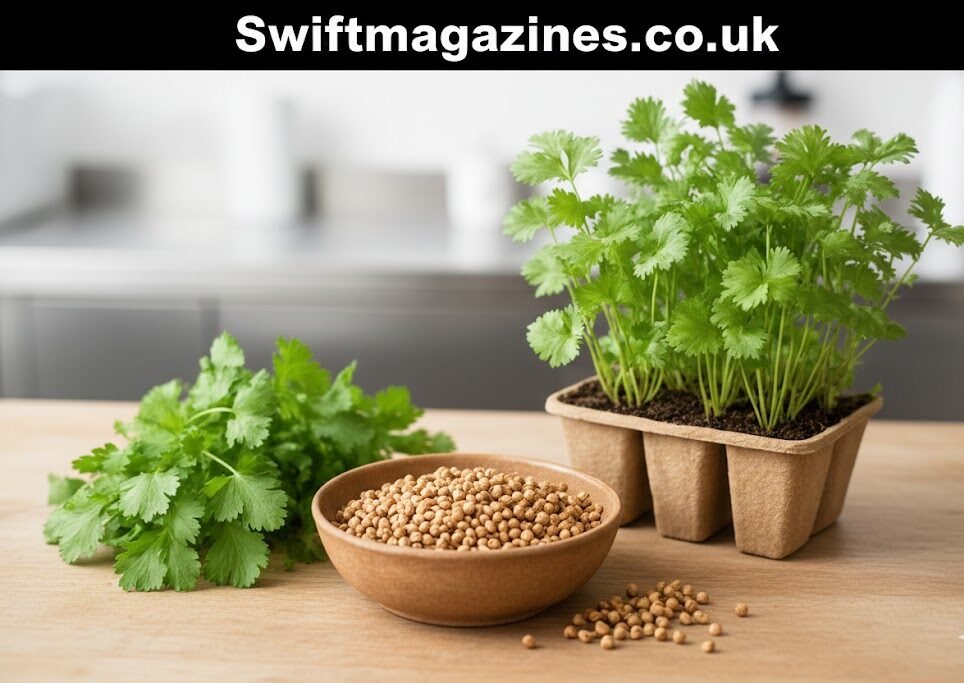
Koriandri, commonly known as coriander, is a fragrant herb and spice valued for its digestive support, antioxidant content, and versatile culinary use. Both the fresh leaves and dried seeds provide nutrients that may help regulate blood sugar, improve heart health, and enhance flavor naturally. It is widely used in traditional cooking and natural wellness practices across many cultures.
This article explores the nutritional value, traditional importance, and everyday culinary relevance of koriandri in a clear and engaging way. Readers will discover how this aromatic plant supports digestion, heart wellness, and balanced nutrition while also enhancing flavor in global cuisines. The discussion connects historical herbal knowledge with modern health understanding, making the topic useful for both wellness seekers and home cooks. By the end, you will understand practical ways to include this ingredient in meals, recognize its safety considerations, and appreciate why it remains a trusted natural food across generations.
Understanding the Botanical Background and Cultural Significance of This Ancient Aromatic Herb
Koriandri belongs to a historic family of aromatic plants that have been cultivated for thousands of years across Asia, the Mediterranean region, and parts of Europe. Ancient communities valued it not only for flavor but also for ritual, preservation, and traditional healing. The plant produces delicate green leaves and warm, citrus-like seeds, both of which are used in cooking. Its enduring presence in diverse food traditions highlights its adaptability, gentle taste, and deep cultural meaning that continues to connect heritage cooking with modern kitchens today.
Nutritional Composition That Makes This Fragrant Plant Valuable for Daily Wellness
The leaves and seeds provide a mixture of vitamins, minerals, and protective plant compounds that support overall wellbeing. Natural antioxidants help the body respond to everyday environmental stress, while small amounts of vitamin C, vitamin K, and potassium contribute to balanced nutrition. Because the flavor is strong yet calorie content remains low, it fits easily into mindful eating patterns. Regular culinary use allows people to gain subtle nutritional advantages without major dietary changes, making it a practical ingredient for long-term healthy living.
Digestive Comfort and Gut Balance Traditionally Linked With Aromatic Culinary Herbs
For generations, herbal traditions have connected coriander seeds with soothing digestive discomfort and promoting smoother metabolism after meals. Warm infusions prepared from the seeds are often associated with reducing bloating sensations and supporting gentle stomach function. Modern nutritional understanding suggests that aromatic plant oils may stimulate digestive enzymes and encourage balanced gut activity. While not a replacement for medical care, incorporating such herbs into meals reflects a long history of food-based wellness practices designed to maintain everyday comfort naturally.
Potential Heart Health Support Through Antioxidants and Balanced Mineral Content
Plant compounds found in coriander are frequently studied for their relationship to cardiovascular wellbeing. Antioxidants help protect cells from oxidative stress, while minerals like potassium contribute to normal blood pressure regulation when combined with a balanced diet. Culinary herbs also encourage reduced reliance on excessive salt or heavy sauces, indirectly supporting healthier eating habits. These combined influences demonstrate how small dietary choices, repeated consistently, may contribute to long-term heart wellness in a gentle and sustainable manner.
Blood Sugar Balance and Metabolic Wellness in Traditional Food Practices
Historical food systems often paired aromatic spices with carbohydrate-rich meals, possibly reflecting an intuitive understanding of metabolic balance. Some modern observations suggest that plant compounds in coriander seeds may assist normal glucose metabolism when included as part of nutritious eating patterns. Though research continues, the broader lesson emphasizes whole-food diversity rather than single miracle ingredients. Including herbs, vegetables, and balanced grains together creates a dietary environment that supports steady energy and long-term metabolic stability.
Culinary Versatility Across Global Kitchens From Street Food to Home Dining
Few herbs transition as easily between cuisines as coriander. Fresh leaves brighten salads, chutneys, and soups, while toasted seeds deepen the flavor of curries, breads, and stews. This dual identity allows cooks to experiment with texture, aroma, and warmth using a single plant. Because it pairs well with vegetables, legumes, and lean proteins, it naturally supports balanced meals. Such flexibility explains why generations of cooks continue to rely on this ingredient for both everyday comfort food and celebratory dishes.
Traditional Healing Perspectives and Folk Remedies Passed Through Generations
Many cultural healing systems describe coriander as cooling, calming, and gently cleansing for the body. Preparations using seeds or leaves were historically associated with easing minor discomforts and restoring internal balance after heavy meals. These traditions reflect observation-based knowledge developed before modern laboratories existed. While contemporary science evaluates such claims carefully, the persistence of these practices illustrates how food and healing were once deeply connected, forming a holistic view of nourishment that still resonates in natural wellness communities.
Also read this: NLPadel Ultimate Guide: Mastering Techniques, Training, and Winning Strategies
Safe Consumption, Sensitivities, and Practical Moderation in Everyday Diets
Coriander is generally considered safe when consumed in normal culinary amounts, yet individual sensitivities can occur with almost any food. Mild allergic responses or digestive reactions are uncommon but possible, highlighting the importance of moderation and personal awareness. Pregnant individuals or those with medical conditions should seek professional guidance when making significant dietary changes. Understanding safety does not diminish the herb’s value; instead, it supports responsible, informed use that aligns traditional enjoyment with modern health awareness.
Growing Conditions, Harvesting Methods, and Freshness Factors That Influence Quality
This herb thrives in mild sunlight, well-drained soil, and moderate watering, making it suitable for home gardens and small containers. Leaves are typically harvested early for tenderness, while seeds mature later and develop a warmer aroma as they dry. Freshness strongly influences flavor intensity and nutritional value, encouraging careful storage and timely use. Learning how cultivation affects taste helps consumers appreciate the journey from soil to kitchen, deepening respect for simple ingredients that enrich everyday meals.
Storage Techniques and Kitchen Preparation for Maximum Aroma and Flavor Preservation
Fresh leaves remain vibrant when refrigerated with slight moisture, whereas dried seeds maintain quality in airtight containers away from heat and light. Gentle toasting of seeds before grinding can release deeper fragrance and complexity. Minimal processing preserves natural oils responsible for both flavor and potential wellness properties. Thoughtful storage and preparation transform a common kitchen item into a sensory experience, proving that careful handling of ingredients significantly shapes the final taste of any homemade dish.
Role in Modern Nutrition Trends Focused on Natural Flavor Without Excess Additives
Contemporary eating patterns increasingly emphasize whole foods, plant diversity, and reduced artificial additives. Aromatic herbs like coriander naturally enhance taste without requiring heavy fats, sugars, or processed sauces. This aligns with global shifts toward mindful cooking and transparent ingredients. By delivering brightness and warmth simultaneously, the herb supports flavorful meals that remain nutritionally balanced. Such qualities position traditional plants as valuable partners in modern dietary habits centered on simplicity, authenticity, and long-term wellbeing.
Environmental Sustainability and the Importance of Small Culinary Plants in Agriculture
Herbs generally require fewer resources than large commercial crops, allowing them to fit into sustainable farming and home gardening systems. Their short growth cycles and adaptability support biodiversity while reducing environmental strain. Encouraging herb cultivation can promote local food resilience and reduce dependence on heavily processed flavorings. Understanding sustainability through small plants highlights how everyday kitchen choices connect with broader ecological responsibility, demonstrating that mindful consumption begins with simple, natural ingredients grown close to home.
Emotional Comfort, Sensory Memory, and the Cultural Warmth of Familiar Flavors
Food often carries emotional meaning tied to family traditions, celebrations, and shared meals. The distinctive aroma of coriander can evoke memories of home cooking, festive gatherings, or regional specialties. Such sensory connections contribute to psychological comfort and cultural identity. Recognizing this emotional dimension reminds us that nutrition extends beyond nutrients alone. Flavor, memory, and belonging all play meaningful roles in how people experience food, shaping relationships with ingredients across generations and communities worldwide.
Conclusion: Bringing Together Nutrition, Tradition, and Everyday Culinary Practicality
Koriandri represents more than a simple herb or spice; it reflects a meeting point of culture, nourishment, and natural flavor. Its gentle nutritional support, digestive comfort, and culinary flexibility make it suitable for modern lifestyles seeking balance and authenticity. Respecting both traditional knowledge and current health understanding allows people to enjoy it wisely. By integrating such time-honored plants into daily meals, individuals can nurture wellbeing through simple, flavorful choices that honor history while supporting present-day living.
FAQs (People Also Ask)
What is koriandri commonly known as?
It is widely known as coriander, an herb whose leaves and seeds are both used in cooking.
Is coriander good for digestion?
Traditional practices associate it with soothing stomach discomfort and supporting gentle digestion.
Can coriander be eaten daily?
Yes, normal culinary amounts are generally safe for regular consumption in balanced meals.
Are coriander leaves and seeds nutritionally different?
Leaves provide more vitamins, while seeds offer concentrated aromatic compounds and minerals.
Does coriander help heart health?
Its antioxidants and potassium content may support cardiovascular wellness within a healthy diet.
How should coriander be stored for freshness?
Leaves should be refrigerated with light moisture, and seeds kept in airtight containers away from heat.
Is coriander used worldwide in cooking?
Yes, it appears in many global cuisines, from Asian curries to Mediterranean and Latin dishes.
Fore more info: Swiftmagazines.co.uk
