
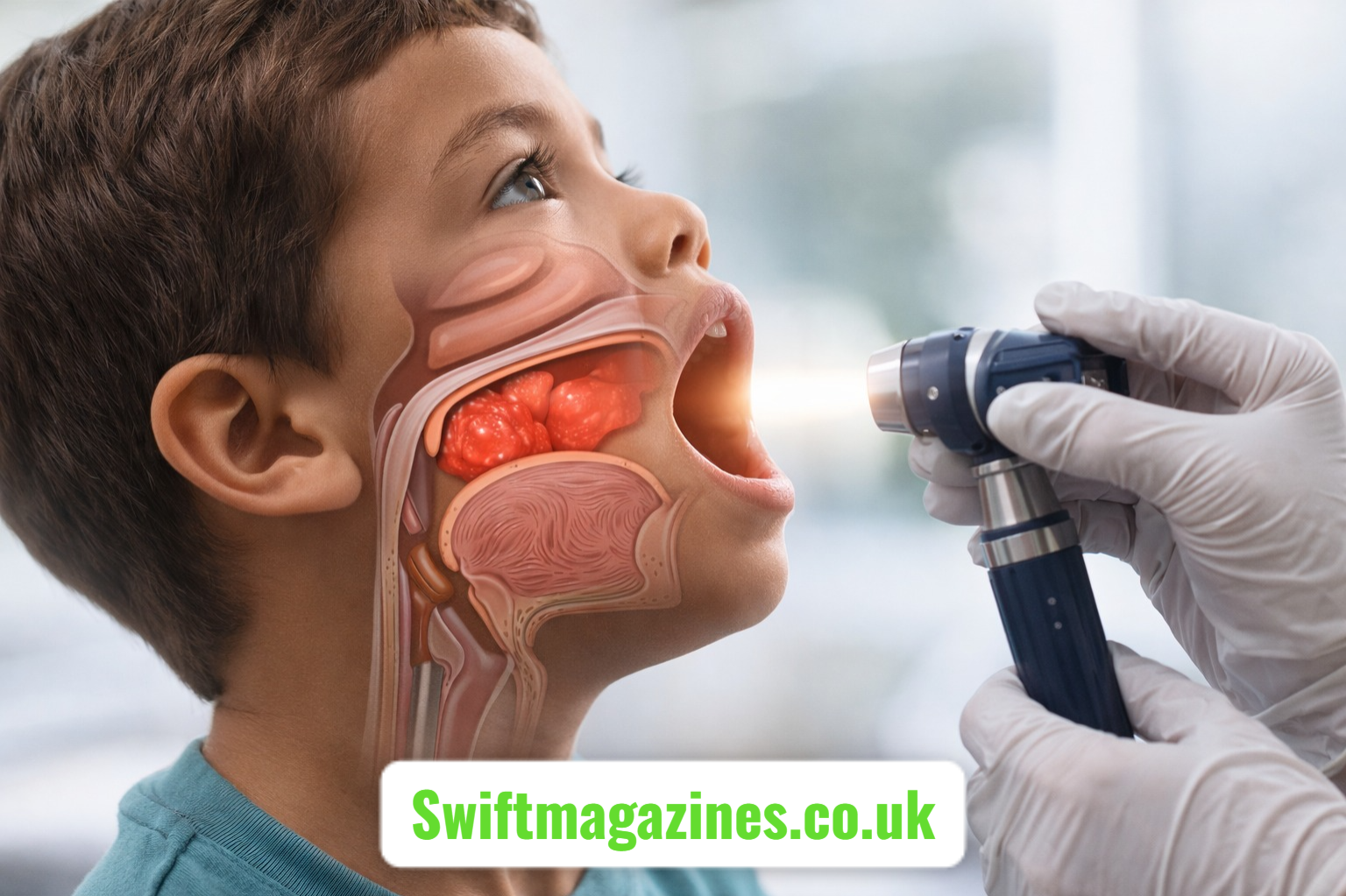
Adenoidid is inflammation or enlargement of the adenoids, lymphoid tissues located in the upper throat behind the nose. Common in children, it can cause breathing difficulties, chronic infections, snoring, and sleep disturbances. Early detection and proper treatment—ranging from medication to adenoidectomy—help prevent long-term complications and improve overall respiratory and immune health. Regular monitoring ensures lifelong wellness.
Adenoidid is a condition affecting the adenoids, essential immune tissues in the nasopharynx. It commonly occurs in children but can persist in adolescents or adults. The condition often leads to nasal obstruction, recurrent infections, ear problems, and sleep apnea. Understanding adenoidid’s causes, symptoms, and treatment options is crucial for timely intervention. Modern approaches combine medical therapies, lifestyle adjustments, and surgical procedures when necessary. Awareness about adenoidid not only helps parents and caregivers safeguard children’s respiratory and immune health but also highlights the importance of preventive care. This article provides an in-depth guide covering medical insights, practical management, and long-term strategies for optimal wellbeing.
Understanding Adenoidid: Causes and Medical Background
Adenoidid is the inflammation or hypertrophy of the adenoids, lymphoid tissues situated behind the nasal cavity. These tissues play a vital role in trapping pathogens and supporting the immune system during childhood. Enlargement or infection can result from recurrent bacterial or viral infections, allergies, or chronic sinusitis. It obstructs the airway, affecting normal breathing, swallowing, and sleep quality. Understanding the medical background of adenoidid is crucial for early diagnosis, preventing secondary infections, and maintaining immune function. Physicians often assess symptoms, nasal airflow, and throat examinations to confirm the presence and severity of adenoid inflammation.
Common Symptoms of Adenoidid in Children and Adults
Adenoidid presents with a range of symptoms that vary by age. Children commonly experience nasal congestion, mouth breathing, snoring, and frequent ear infections due to eustachian tube obstruction. In adults, symptoms may include chronic nasal obstruction, post-nasal drip, sinus infections, and sleep disturbances. Some may also have speech changes or difficulty swallowing. Identifying these symptoms early is vital to prevent complications such as hearing loss, facial development issues, or sleep apnea. Routine checkups, combined with careful observation of breathing patterns and recurrent infections, allow healthcare providers to intervene timely.
The Link Between Adenoidid and Respiratory Health
Enlarged adenoids can significantly impact respiratory health. Blocked nasal passages force mouth breathing, reducing air filtration and increasing vulnerability to infections. Prolonged obstruction may cause snoring, chronic sinusitis, and sleep-disordered breathing. Additionally, adenoidid can affect oxygen intake during sleep, leading to fatigue, poor concentration, and developmental delays in children. Treating adenoidid not only resolves immediate discomfort but also supports overall respiratory efficiency. Proper evaluation by an ENT specialist ensures that obstruction is treated appropriately, whether through medical therapy or surgical intervention.
Diagnosing Adenoidid: Medical Procedures and Techniques
Diagnosis of adenoidid involves a thorough physical examination, patient history, and imaging when necessary. Physicians may use nasopharyngoscopy or X-ray imaging to visualize adenoid size and obstruction. Clinical evaluation includes assessing nasal airflow, ear health, and signs of chronic infection. In some cases, sleep studies are recommended to detect apnea or breathing disturbances. Accurate diagnosis helps determine whether non-surgical management or adenoidectomy is required. Early diagnosis is key to minimizing complications and ensuring effective treatment, especially for children in critical growth phases.
Non-Surgical Treatments for Adenoidid
Mild adenoidid can often be managed with medications, lifestyle modifications, and supportive therapies. Antibiotics treat bacterial infections, while nasal corticosteroids reduce inflammation. Saline nasal irrigation helps clear mucus and allergens. Additionally, managing environmental triggers, such as allergens and irritants, can reduce symptom severity. Regular follow-ups are essential to monitor improvements and prevent recurrent infections. These conservative approaches are often preferred before considering surgical interventions, particularly in younger children whose adenoids may naturally shrink with age.
Surgical Intervention: Adenoidectomy and Recovery
For persistent or severe adenoidid, adenoidectomy—a surgical removal of adenoids—is often recommended. The procedure is usually quick, minimally invasive, and performed under general anesthesia. Post-operative care involves rest, hydration, and pain management. Recovery typically spans 7–10 days, with most children resuming normal activities soon after. Adenoidectomy effectively alleviates airway obstruction, recurrent infections, and sleep disturbances. It is essential to follow post-surgical guidelines and attend follow-up appointments to ensure complete recovery and monitor potential complications, such as bleeding or infection.
Also read this: Uncuymaza: Hidden Power of Digital Influence and Cultural Transformation
Preventive Measures to Minimize Adenoidid Risk
Preventing adenoidid involves maintaining general respiratory health and reducing exposure to infections. Regular handwashing, avoiding tobacco smoke, managing allergies, and promoting a balanced diet enhance immune function. Early treatment of sinus infections or upper respiratory infections can prevent adenoid inflammation. Vaccinations and routine pediatric checkups play a critical role in early detection. Parents and caregivers should also monitor breathing patterns, snoring, and nasal congestion to address potential issues promptly, ensuring long-term airway health and preventing complications associated with chronic adenoidid.
Long-Term Complications of Untreated Adenoidid
If left untreated, adenoidid can lead to chronic issues. Persistent nasal obstruction may cause dental malocclusion, facial growth abnormalities, hearing loss due to eustachian tube dysfunction, and sleep apnea. Recurrent infections weaken the immune system and reduce overall quality of life. Sleep disturbances can result in behavioral problems, fatigue, and poor academic performance in children. Recognizing early signs and seeking timely intervention prevents these long-term complications. Awareness about potential risks underscores the importance of regular ENT assessments and proactive management strategies for both children and adults.
Adenoidid and Ear Health: Understanding the Connection
Enlarged adenoids can obstruct the eustachian tubes, leading to fluid accumulation in the middle ear. This condition, known as otitis media with effusion, often results in hearing difficulties and recurrent ear infections. Persistent infections can impair speech and language development in children. ENT specialists may recommend tympanostomy tubes along with adenoidectomy to restore proper ear ventilation. Maintaining ear health is a critical component of overall adenoidid management, emphasizing the interconnectedness of nasal, throat, and ear anatomy in sustaining healthy breathing and auditory function.
Lifestyle Adjustments to Support Recovery
Post-treatment care involves lifestyle adjustments to ensure rapid recovery. Encouraging nasal hygiene, avoiding crowded or polluted environments, and maintaining proper hydration support healing. Nutritional support with vitamins and antioxidants strengthens immunity. Parents should monitor sleep patterns and breathing, and avoid exposure to allergens or irritants. These simple lifestyle measures complement medical or surgical treatment, reduce recurrence, and promote overall health. Incorporating routine wellness practices enhances the effectiveness of adenoidid interventions and supports long-term respiratory and immune system resilience.
Pediatric vs Adult Adenoidid: Key Differences
Adenoidid primarily affects children but can occasionally persist into adulthood. Pediatric adenoids are more active in immune defense, making enlargement more common. Adults may experience residual inflammation, chronic sinusitis, or nasal obstruction from previous adenoid hypertrophy. Symptoms in adults tend to be milder but may lead to sleep disturbances and recurrent infections. Management strategies differ by age, with pediatric cases often monitored for natural regression, while adults may require more aggressive medical or surgical interventions. Understanding age-specific characteristics ensures accurate diagnosis and optimal treatment.
Integrating ENT and Pediatric Care for Comprehensive Management
Effective adenoidid management requires collaboration between pediatricians, ENT specialists, and caregivers. Pediatricians provide early detection, monitor growth and immune health, and refer patients for ENT evaluation when necessary. ENT specialists perform diagnostic assessments, recommend appropriate treatments, and guide surgical interventions. Coordinated care ensures timely intervention, minimizes complications, and supports healthy development. Communication between healthcare providers and families is essential to create individualized management plans that address symptoms, underlying causes, and long-term respiratory and immune health outcomes.
Emerging Research and Technological Approaches
Recent research explores minimally invasive treatments, enhanced imaging techniques, and immunotherapy approaches for adenoidid. Endoscopic adenoidectomy, improved diagnostic imaging, and AI-assisted monitoring enable precise interventions. Studies also focus on the microbiome’s role in adenoid health, offering new preventive strategies. Emerging technologies allow for better tracking of symptom progression and individualized care. These innovations promise more efficient treatment, fewer complications, and faster recovery, shaping the future of adenoidid management in both pediatric and adult populations.
Conclusion: Prioritizing Early Detection and Lifelong Wellness
Adenoidid is a common yet potentially impactful condition that requires timely diagnosis and management. Recognizing early symptoms, understanding causes, and applying appropriate medical or surgical interventions ensure respiratory, auditory, and immune health. Preventive strategies, lifestyle adjustments, and coordinated healthcare support long-term wellness. By staying informed and proactive, parents, caregivers, and adults can mitigate complications, enhance quality of life, and maintain optimal breathing and immune function. Adenoidid management is not just about treatment—it’s a commitment to sustained health and lifelong wellbeing.
FAQs
- What is adenoidid?
Adenoidid is inflammation or enlargement of the adenoids, causing nasal obstruction, infections, and sleep issues. - What are common symptoms of adenoidid?
Symptoms include mouth breathing, snoring, nasal congestion, recurrent ear infections, and sleep disturbances. - Can adults have adenoidid?
Yes, although less common, adults may experience residual inflammation or chronic nasal obstruction. - How is adenoidid diagnosed?
Diagnosis involves ENT examination, imaging like X-rays or endoscopy, and assessment of symptoms and airway obstruction. - What treatments are available for adenoidid?
Treatment ranges from medications and nasal sprays to adenoidectomy in severe cases. - Can adenoidid cause hearing problems?
Yes, enlarged adenoids can block eustachian tubes, leading to fluid buildup and hearing difficulties. - Is adenoidid preventable?
Preventive measures include proper hygiene, avoiding allergens, treating infections early, and routine pediatric checkups.
For more info: Swiftmagazines.co.uk
