
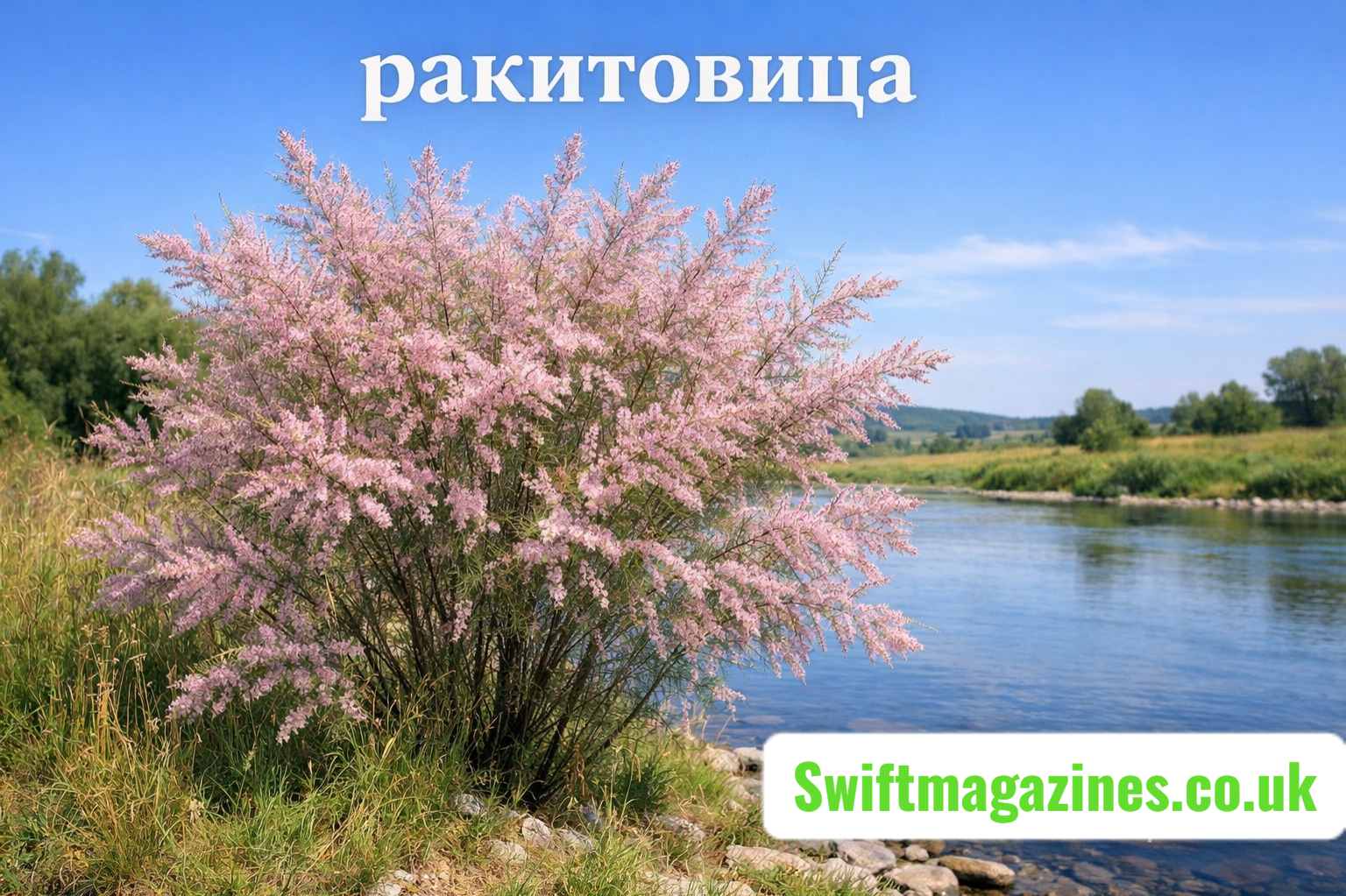
Ракитовица is both a small village in eastern Croatia and a type of hardy shrub known as tamarisk. The village is known for its agricultural lifestyle and traditional culture, while the plant thrives in dry, saline soils along riverbanks and coasts. Both meanings reflect strong connections to nature and human settlement patterns, offering insight into geography, ecology, and Slavic heritage.
This article explores Ракитовица in depth, covering its dual meaning as a Croatian village and a botanical term for tamarisk shrubs. Readers will learn about the village’s history, demographics, cultural traditions, and landscape features, alongside the ecological significance, uses, and characteristics of the tamarisk plant. By combining geography, nature, and culture, this guide offers a comprehensive understanding of Ракитовица for curious learners, travelers, and botany enthusiasts.
Understanding the Meaning of Ракитовица in Slavic Language and Geography
The term Ракитовица originates from the Slavic root “rakita,” meaning willow or shrubby vegetation. In geography, it identifies a small settlement in eastern Croatia, while linguistically, it reflects the historical tradition of naming places after natural features. This connection between language and landscape highlights how communities adapted their environment into cultural identity and helps explain the significance of Ракитовица in both human and natural contexts.
Exploring Rakitovica Village in Croatia’s Slavonia Region
Rakitovica is a peaceful village in the Osijek-Baranja County, located in the fertile Pannonian Plain. It is part of the Donji Miholjac municipality and has long been associated with traditional agriculture. The village is characterized by open fields, rural scenery, and a slow-paced lifestyle. Its residents maintain a close relationship with the land, reflecting centuries of farming practices and the cultural heritage typical of Slavonia.
The Historical Development of the Village Over Time
Rakitovica has a rich history shaped by changing empires, agricultural development, and regional migrations. The village’s evolution reflects broader historical trends in Slavonia, including shifts in population and governance. Traditional architecture and local customs have persisted through the centuries, making Rakitovica a living example of rural life that preserves cultural and historical continuity in the region.
Demographic Patterns and Community Structure in Rakitovica
The population of Rakitovica has fluctuated over the years, reflecting modern rural trends such as youth migration to urban centers. Despite this, the village maintains a tight-knit community, with strong family networks and intergenerational connections. These demographic patterns illustrate how small villages balance modern challenges while preserving traditional lifestyles and communal bonds.
Landscape Features and Surroundings of Rakitovica
Rakitovica is surrounded by fertile farmland, gently rolling plains, and riverine landscapes. The Karašica River nearby enriches the soil and supports local agriculture. Open fields and green spaces define the village’s scenery, creating a tranquil environment for residents and visitors. These features highlight the region’s suitability for crop cultivation and livestock, shaping both economy and lifestyle.
Cultural Traditions and Everyday Life in the Village
Local traditions in Rakitovica revolve around seasonal celebrations, harvest festivals, and family gatherings. Community life emphasizes cooperation, respect for customs, and the passing of agricultural knowledge from one generation to the next. These practices help maintain the village’s unique identity, offering insight into the enduring cultural fabric of rural Slavonia.
Ракитовица as a Botanical Term: Tamarisk Plants Explained
Apart from geography, Ракитовица also refers to tamarisk, a type of shrub or small tree that thrives in saline and dry soils. These plants are often found along riverbanks, coastlines, and other marginal habitats. The botanical use of the term reflects the resilience of these plants and their ecological importance in stabilizing soils and supporting local wildlife.
Also read this: Pantagonar Guide: Meaning, Benefits, Uses, Strategies, and Expert Insights
Physical Characteristics of Tamarisk (Rакитовица) Shrubs
Tamarisk plants have slender branches, fine leaves, and delicate flowers that bloom in clusters. Some species can grow several meters tall, forming dense stands that protect soil from erosion. Their ability to tolerate high salinity and harsh conditions makes them valuable in both natural ecosystems and cultivated landscapes, providing aesthetic and environmental benefits.
Ecological Importance of Tamarisk in Riverine and Coastal Ecosystems
Tamarisk shrubs play a key role in soil conservation, habitat formation, and ecosystem stability. Their root systems prevent erosion along riverbanks and coastlines, while their foliage offers shelter for birds and insects. These plants contribute to biodiversity by supporting various species, highlighting the interconnectedness of flora, fauna, and environmental health in regions where Ракитовица grows.
Historical and Modern Uses of Tamarisk Plants
Historically, tamarisk was used for practical purposes such as firewood, construction, and folk medicine. In contemporary times, it serves ornamental and conservation purposes, particularly in areas where other plants struggle to survive. Its adaptability makes it valuable for landscaping, ecosystem restoration, and soil stabilization projects, reflecting the plant’s enduring utility across generations.
Linguistic Roots and Place Naming in Slavic Tradition
The name Ракитовица illustrates a broader pattern in Slavic place naming, where settlements are named after prominent natural features. “Rakita” suggests shrubby vegetation or willow-like plants, indicating the landscape observed by early settlers. This linguistic practice demonstrates how culture and environment are intertwined in the identity of a place or term.
Visiting Rakitovica: A Rural Destination for Travelers
Although small, Rakitovica offers a glimpse into authentic Croatian rural life. Visitors can experience agricultural landscapes, traditional homes, and a quiet environment that reflects centuries of local heritage. The village provides opportunities for cultural immersion, nature walks, and appreciation of the simplicity and charm of rural Eastern Europe.
Modern Relevance and Community Role of Rakitovica
Today, Rakitovica continues to embody rural traditions while adapting to contemporary challenges. Its agricultural production, cultural events, and community spirit contribute to regional identity. The village serves as a model for maintaining cultural heritage in a modernizing world, emphasizing the importance of small communities in preserving national and regional character.
Bridging Geographic and Botanical Significance
The dual use of Ракитовица as a village and a plant highlights the close relationship between humans and nature. Both uses reflect adaptation to the environment—through settlement patterns in the village and survival traits in tamarisk shrubs. Understanding this dual meaning enriches perspectives on culture, ecology, and linguistic history, demonstrating how one word can encompass diverse forms of life and heritage.
Conclusion: The Comprehensive Story of Ракитовица
Ракитовица is a term that connects geography, culture, and nature. As a village, it represents centuries of traditional rural life in Croatia. As a plant, it symbolizes resilience and ecological importance in challenging environments. Together, these meanings provide a rich understanding of human settlement, linguistic history, and environmental adaptation, making Ракитовица a unique and fascinating subject of study.
FAQs
What is Ракитовица?
It is both a village in Croatia and a type of tamarisk shrub found in Slavic regions.
Where is Rakitovica village located?
It is situated in eastern Croatia, in Osijek-Baranja County near Donji Miholjac.
What is the population of Rakitovica?
The village has a small population, reflecting typical rural demographic patterns.
What does the name Ракитовица mean?
The name comes from the Slavic word for willow or shrubby vegetation, describing local natural features.
What are the uses of tamarisk plants?
Tamarisk stabilizes soil, supports wildlife, and is used for ornamental and conservation purposes.
Can tourists visit Rakitovica?
Yes, the village offers a peaceful rural experience showcasing traditional Croatian culture.
Is Ракитовица unique to Croatia?
The village is unique to Croatia, but the term is used for plants in broader Slavic contexts.
Fore more info: Swiftmagazines.co.uk
